
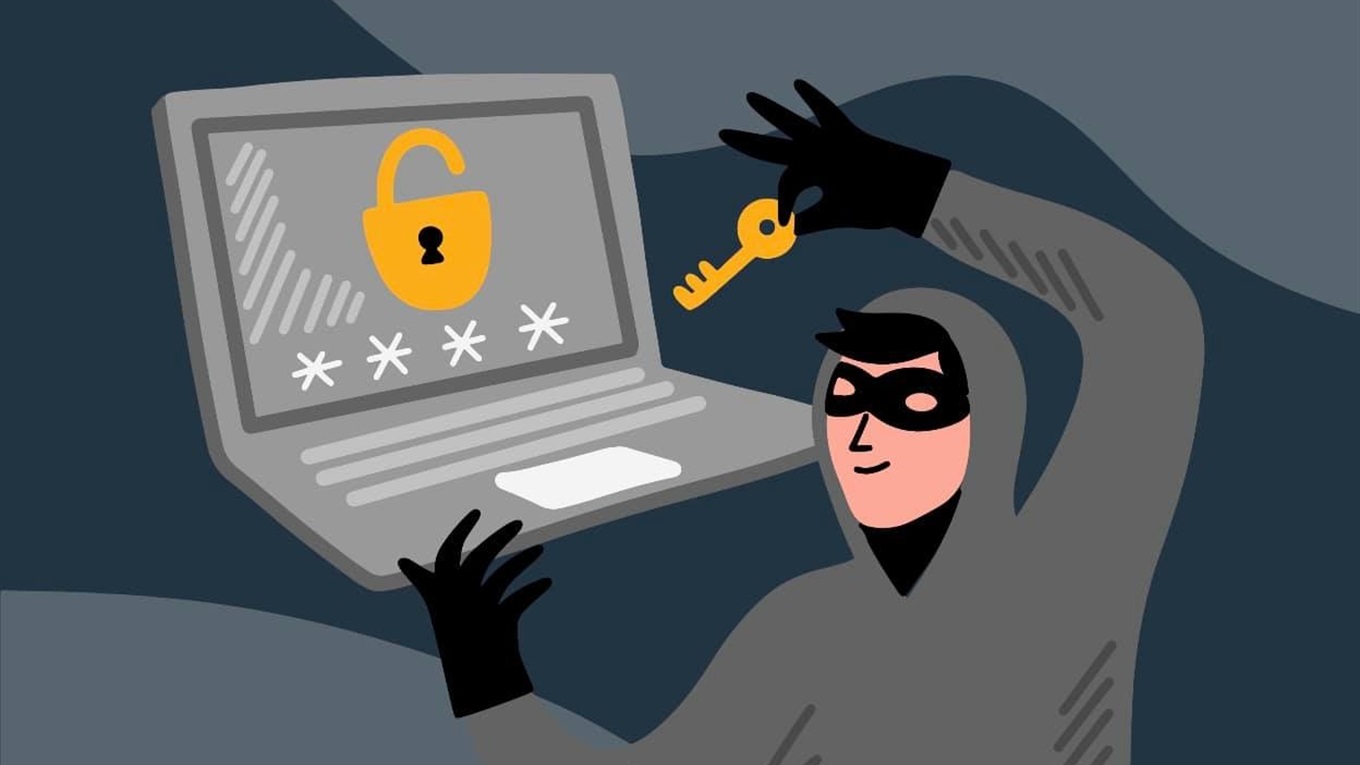
Online fraud continues to evolve, making careful verification an essential part of using digital services safely. Platforms such as 먹튀맵 (Meoktwimaep) can help users approach online verification more systematically by focusing on reliable information, warning signs, and responsible reporting. Instead of trusting attractive offers or unfamiliar websites immediately, users should take time to check available evidence and understand whether a service shows signs of suspicious activity.
Why Verification Matters
Fraudulent websites often try to appear professional and trustworthy. They may use attractive promotions, polished designs, or urgent messages to convince visitors to register, provide personal information, or make payments. A website that looks legitimate, however, is not necessarily safe.
Verification can help users identify possible risks before they interact with a platform. A careful review may include checking:
- how long the website has been operating;
- whether company or contact information is clearly provided;
- whether users have reported delayed payments or suspicious behavior;
- whether the platform has changed its domain or business name frequently;
- whether its terms and conditions are transparent and easy to understand.
No single factor can guarantee that a website is completely safe, so several sources of information should be considered together.
Recognizing Common Warning Signs
Certain patterns can indicate that additional caution is necessary. Users should pay particular attention when a service promises unusually large rewards, pressures people to act immediately, or provides unclear explanations about withdrawals and payments.
Other possible warning signs include:
- repeated complaints from different users;
- unexplained account restrictions;
- unexpected requests for additional payments;
- poor or inconsistent customer support;
- missing ownership or business information;
- frequent changes to payment rules or service conditions.
These signs do not automatically prove fraud, but they provide a reason to investigate further.
How to Report Suspected Fraud Safely
Reporting suspicious activity can help verification communities identify patterns and warn other users. However, reports should be based on facts rather than assumptions.
Before submitting a report, users should save relevant evidence such as transaction records, screenshots, messages, dates, and correspondence with customer support. Personal details that are not necessary for verification should be removed or hidden.
A useful fraud report should clearly explain:
- What service or website was involved.
- When the incident occurred.
- What action the user took.
- What problem happened afterward.
- What evidence supports the report.
Providing specific information makes it easier for moderators or verification teams to review the case objectively.
Protecting Personal Information
Users should never publish passwords, authentication codes, full payment-card numbers, identity documents, or other highly sensitive information in public reports. Evidence should contain only the information required to demonstrate what happened.
It is also important to communicate through official reporting channels whenever possible. Suspicious individuals may sometimes contact users privately while pretending to offer refunds, account recovery, or investigation services. Sharing additional information with unverified third parties can create a second security risk.
A Responsible Approach to Online Safety
Effective fraud prevention combines careful verification, secure online habits, and accurate reporting. Users should avoid making decisions based only on advertisements, bonuses, or anonymous recommendations. Checking multiple sources and documenting suspicious incidents provides a stronger basis for evaluating potential risks.
Services such as 먹튀맵 can be used as one part of this broader verification process. The safest approach is to remain cautious, protect sensitive data, review available evidence, and report suspicious behavior clearly and responsibly. By following these principles, users can reduce unnecessary risks and contribute to a safer online environment for others.